

8 Things To Know Before Renovating Or Building Your Home
Partner Content
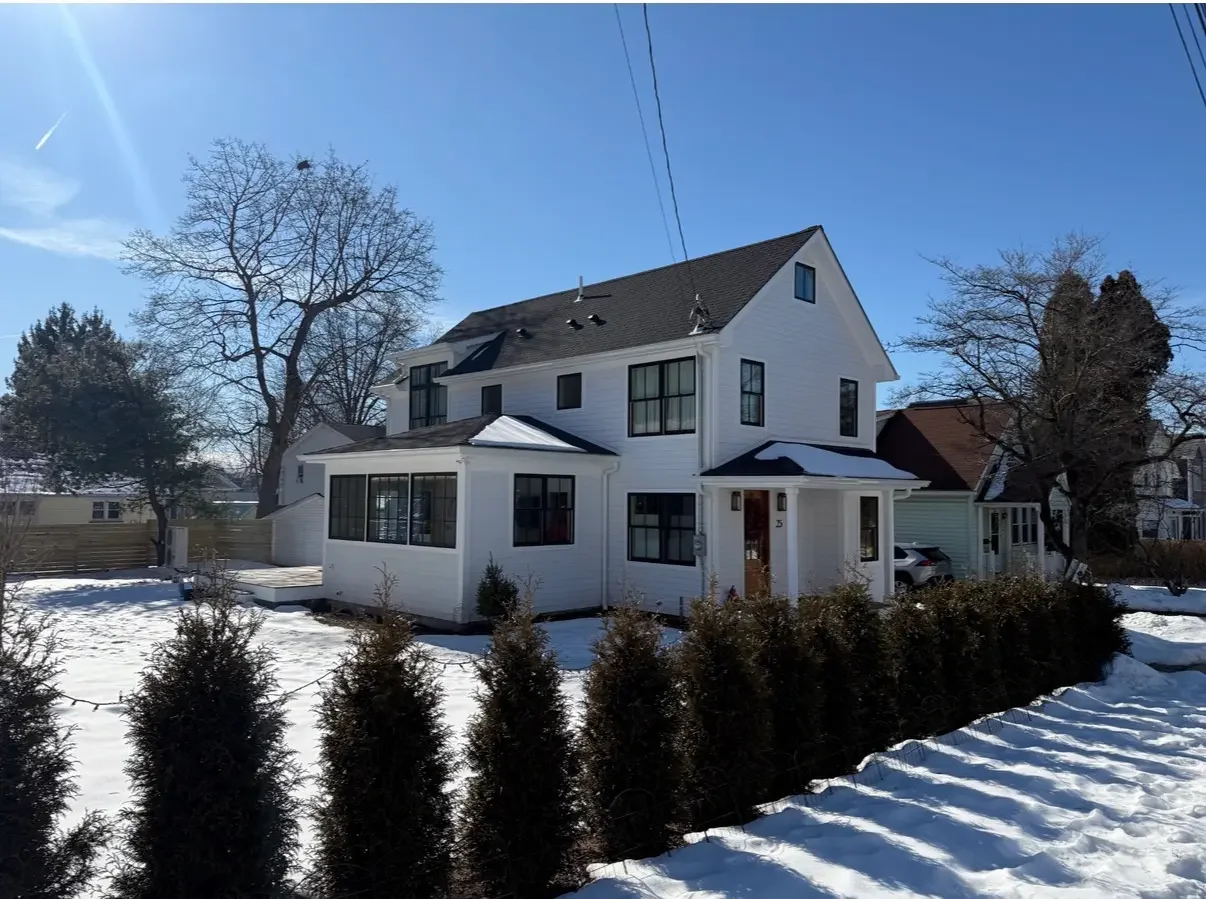
A recent Beacon home renovation by Serge Young. (Photo courtesy of Serge Young)
Renovating a home—let alone building one from the ground up—tends to spark equal amounts of excitement and dread in most of us. In Beacon—a city defined by its 19th-century industrial bones and lovingly lived-in houses—that feeling is almost a rite of passage many homeowners eventually face, whether by necessity or by choice.
So, what happens when it’s time to embark on a major home improvement project?
Over the course of the 20 years he’s called Beacon home, architect Serge Young has been serving Hudson Valley homeowners and businesses with residential and light commercial services including new construction, housing additions, ADUs (accessory dwelling units), renovations, preservation, and adaptive re-use.
We recently sat down with Serge to ask him what advice he’d share with readers who might be considering a renovation or a new build. Here’s what he told us:
1. Find An Architect Who Understands You
“It’s important to work with an architect you can build a good relationship with and who understands you. My wife and I bought a turn-of-the-century house that needed a lot of work when we moved to Beacon. I’ve personally experienced extensive renovations, so I know how disruptive the whole process can be. I try to bring that empathy to the clients I work with. I know what it’s like because I’ve been there—and I know it’s worth the effort. Plus, I’ve seen pretty much everything when it comes to challenging projects in my 20 years of experience in this field!”
2. Choose Local
It helps to have an expert who’s not only accomplished in their craft, but who also has extensive knowledge and experience of the area—from familiarity with typical problems that arise from Hudson Valley housing stock (that’s often over a 100 years old) to understanding local zoning ordinances and permitted variances, which differ across New York state.
3. Consider Your Lifestyle And Be Clear On Your Goals
For the best outcome, Serge advises clients to carefully consider what they’re looking for in a renovation or a new build before they approach an architect. It’s important to map out your lifestyle demands. Do you need a mudroom? Where should the bathrooms go? What does your ideal kitchen configuration look like? Do you want a clear view of Mount Beacon from your main bedroom window? A good place to start is writing down and outlining your thoughts.
Serge explains that it’s helpful for a client to create a wish list for their project. Everyone’s expectations can be managed this way, and any potential roadblocks or unrealistic wishes can be worked through and discussed. There are times when it just isn’t possible to move an interior wall without causing serious structural damage. Discussing things like that early in the process helps prevent disappointment later.
4. Communication Is Key
The more time a client takes upfront to explain their needs to an architect the better the outcome will be. While a timeline for a renovation can be as short as six months and as long as two years, it’s also important to be timely when providing feedback on an architect or builder’s recommendations. Otherwise you may end up unnecessarily lengthening the amount of time you’ll be living out of a suitcase or in limbo.
5. Trust The Process—And Be Patient
That said, there’s always a lot to consider when you’re renovating a home or building it from scratch. Serge continues, “There can literally be thousands of decisions to make, depending on the size of the project. Have patience with the process and don’t rush the decision-making. It could lead to choices you may regret later. I always encourage my clients to trust the process and be patient. This is a marathon, not a sprint.”
6. Teamwork Makes The Dream Work
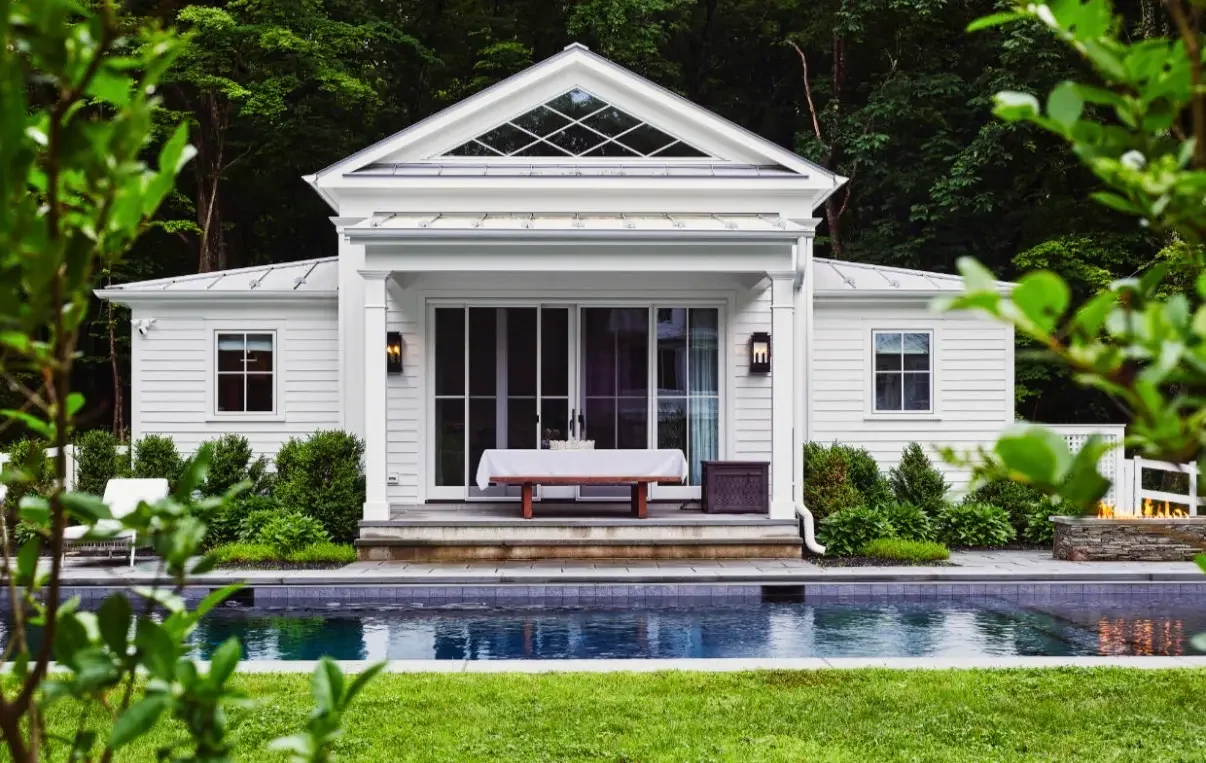
A poolhouse project in Rhinebeck (photo courtesy of Serge Young).
Successful renovations take teamwork between the client, the architect, and the contractor. One thing Serge thinks carefully about when recommending a team for a project is how well those contractors will gel with the homeowner. Every project has its own individual challenges, and Serge works to ensure the right team for the job and the client are in place.
7. Expect The Unexpected
It’s important for the client to understand the potential challenges and limitations with any project. Sometimes tough decisions must be made between balancing what can be fixed, what needs ripping out, and what the client is prepared to live with. Budget is also a key factor.
Serge explains, “For example, sometimes a client wants to salvage the doors of a Victorian house. They’re beautiful, but those doors also have multiple layers of decades-old paint on them. The process to remove it is both timely and costly. The client’s going to have to decide whether it’s worth it to them.
“Plus, you never know what you’re going to find once the walls of older houses come down. The house may end up requiring a complete rewiring, or the foundations might need to be replaced. Being prepared to go with the flow is essential to staying on track with the agreed-upon timeline and getting to the best possible outcome.”
8. Talk To Your Neighbors If You Need a Zoning Variance
If your renovation or new build requires a zoning variance—as is often the case in Beacon— Serge advises you to talk to your neighbors before submitting plans to the Zoning Board. Explain to your neighbors what you hope to do and show them plans if you can. Their support can help streamline the Zoning Board approval process. It’s also helpful to ask your neighbor to submit a letter of support. At the end of the day, improvements to your property should increase their property value as well.

Beacon-based architect, Serge Young.
When I asked Serge why a prospective client should choose him over another company, he replied, “For one thing, you know it’s me who’s going to be doing the work. I work directly with clients throughout the entire process. I don’t delegate to a team and just step in to provide a seal of approval when needed. I think that’s very important to a homeowner about to make a major investment in their future.”
You’ll want to keep these tips in mind if your 2026 dream is a home renovation, an ADU (Accessory Dwelling Unit), an addition, or a completely new build. And be sure to check out Serge’s website to learn more about his work and to see some case studies on his recent projects.
Until next time…
The Beacon Beacon🧡